Wednesday, April 24, 2024

Neem Karoli Baba

Neem Karoli Baba

Neem Karoli Baba, also known as Maharaj-ji, is a revered spiritual figure in India whose teachings and presence have touched the hearts of millions worldwide. Born as Lakshmi Narayan Sharma in 1900 in the village of Akbarpur, Uttar Pradesh, Neem Karoli Baba's life journey is a testament to the power of love, compassion, and selfless service.

Early Life of Neem Karoli Baba and Spiritual Awakening

Neem Karoli Baba's early life was ordinary in many ways, yet marked by a deep sense of spirituality from a young age. He showed a natural inclination towards meditation and contemplation, often spending long hours in solitude seeking spiritual truths. His innate curiosity about the nature of existence and the purpose of life led him on a profound inner journey.

At the age of eleven, Neem Karoli Baba experienced a transformative spiritual awakening that forever changed the course of his life. He realized the interconnectedness of all beings and the universal nature of love that transcends boundaries of religion, caste, and creed. This realization became the foundation of his teachings, emphasizing the primacy of love and service in spiritual practice.

Teachings and Philosophy of Neem Karoli Baba

Neem Karoli Baba's teachings revolve around simple yet profound principles that resonate with people of all backgrounds. He emphasized the importance of selfless love (prem), devotion (bhakti), and surrender to the divine (prasad). His teachings were not bound by dogma or ritual but focused on cultivating a pure heart and mind.

One of his famous teachings is "Love everyone, serve everyone, remember God." This encapsulates the essence of his philosophy, highlighting the interconnectedness of love, service, and spiritual consciousness. Neem Karoli Baba taught that true spirituality is not about renouncing the world but embracing it with love and compassion.

Miracles and Divine Grace of Neem Karoli Baba

Neem Karoli Baba was also known for his miracles, which many devotees witnessed firsthand. These miracles, however, were never performed for showmanship but were seen as manifestations of divine grace and compassion. From healing the sick to materializing objects, his actions were often beyond rational explanation, deepening the faith of those who encountered him.

His devotees recount numerous instances where Neem Karoli Baba's presence brought solace, guidance, and blessings into their lives. Whether it was a simple gesture of kindness or a profound spiritual insight, he touched people's hearts in ways that transcended the ordinary.

Universal Appeal and Legacy

What sets Neem Karoli Baba apart is his universal appeal. Despite being rooted in the traditions of India, his teachings resonate with people from diverse cultures and backgrounds. His message of love, acceptance, and unity speaks to the core of human longing for deeper meaning and connection. Neem Karoli Baba's legacy continues to inspire spiritual seekers, social activists, and people from all walks of life. His ashrams in India, particularly in Kainchi Dham and Vrindavan, serve as spiritual centers where devotees gather to meditate, chant, and reflect on his teachings. These ashrams also engage in charitable activities, embodying the spirit of seva (selfless service) that Neem Karoli Baba advocated.

Impact on Western Seekers about Neem Karoli Baba

Neem Karoli Baba's influence extended far beyond India, especially in the West during the 1960s and 1970s. His encounters with Western seekers like Ram Dass (formerly Richard Alpert) and other counterculture figures brought attention to his teachings of love and spirituality. Ram Dass's book "Be Here Now," based on his experiences with Neem Karoli Baba, became a spiritual classic that introduced many Westerners to Eastern philosophy and practices.

The simplicity and authenticity of Neem Karoli Baba's teachings appealed to those disillusioned with materialism and seeking deeper spiritual truths. His emphasis on inner transformation and the power of love to heal divisions resonated with the spirit of the times and continues to be relevant in today's world.

Devotion and Bhakti Tradition of Neem Karoli Baba

Neem Karoli Baba was a proponent of the bhakti (devotional) tradition within Hinduism, emphasizing the path of loving surrender to the divine. He often encouraged his followers to cultivate a deep sense of devotion through prayer, chanting of mantras, and selfless service. For him, bhakti was not just a religious practice but a way of life infused with love and humility.

Many bhakti songs and chants associated with Neem Karoli Baba are still sung in his honor, evoking a sense of divine presence and inner peace among devotees. The devotional aspect of his teachings continues to inspire spiritual seekers on their path of self-discovery and divine connection.

Legacy of Service and Social Impact

Beyond the spiritual realm, Neem Karoli Baba's legacy also encompasses social impact and humanitarian efforts. His teachings of compassion and service motivated his followers to engage in charitable work, uplift the marginalized, and promote harmony in society.

Various organizations inspired by Neem Karoli Baba's principles are involved in education, healthcare, environmental conservation, and community development projects. These initiatives reflect his vision of a world where love and kindness are the guiding principles for individual and collective well-being.

Wednesday, July 18, 2018

Auli Hill Station


Auli, situated in the northern province of Uttarakhand, is another participant in the vacationer guide of India. Situated in the support of snow-topped mountains, Auli hill station is one of the plain couple of spots in India where skiing is a noteworthy side interest. Slowly Auli is developing like other slope stations in India. Weather in Auli remains cold throughout the year, the severe chilly breezes, the huge snow-shrouded scene, the sylvan mountains, all signify make Auli a skier's heaven. Speaking to man's steady undertaking to triumph over nature, Auli turns out to be a perfect area for the challenging.
Area of Auli
In the same way as other slope stations in India Auli is arranged in Uttarakhand. Auli is towards the north of the state and structures a piece of the Garhwal mountain extend. It is at a separation of 16 km from Joshimath, on the Badrinath course. The inclines, which are as high as 9000 feet above ocean level, are secured with thick deodar and oak woods and this frequently decreases the speed of the crisp breezes to the base. The slants offer an all encompassing perspective of numerous an acclaimed Himalayan pinnacles like Nanda Devi, Kamet, Mana Parvat and Dunagiri.


Best time to visit

There are various winter goals in India which offer an ideal blend of enterprise and stimulation, and Auli, which turns into a skier's heaven amid the winter season, is one of them. The period from late November to late March is by and large viewed as perfect for skiers. As the winters set in, the mountains appear to reach out to the atmosphere with arms of snow. From December to March, the Garhwal Mandal Vikas Nigam conducts 7-day and 15-day courses for the two beginners and propelled students.

History

In the eighth century AD, the considerable Guru Adi Shankaracharya is said to have tread on these fields. The sanctuary worked by him at Joshimath still exists. For a long time, the beautiful semi-itinerant clans of the Bhotiyas, of the Mongolian stock, crossed the trails at Auli, privately called Thatauli. Their longhaired yaks, loaded down with an arrangement of products, helped them in leading a thriving exchange with close-by Tibet.

Before Auli was produced as a ski resort, its inclines were the preparation ground for men of valor and strength the ski-prepared men of the Indo-Tibetan Border Police Force. Among the magnificent, amazing pinnacles ran round Auli, the 23,490-feet-high Trishul (exacting significance, the strident of Lord Shiva) was the scene of an interesting undertaking in 1958. The mountain dwellers took four days to climb the pinnacle and just a hour and a half to ski down to the base camp.

Travelers Attractions

Skiers are normally furnished with clean stretches of 10-20 km of snow-secured mountain inclines. Moreover, there is a plummet of 500 m from the edge over a stretch of 3 km. The woodlands on the inclines likewise appear to help the skiers by decreasing the breeze speed. In the long stretches of February and March, Auli frequently has the National Winter Games. In an arranged move, the Government and neighborhood specialists have included the nearby Garhwali individuals to investigate the slants that legitimately have a place with them.

By eight toward the beginning of the day, one can see the first of the skiers and other experience searchers. Until around four o'clock at night, when it gets nippy, chilly and dull, the skiers make the greater part of the inclines. For the best piece of the winter season, Auli is honored by a strangely substantial number of radiant days, yet there are times when it snows intensely. In the nighttimes, the movement shifts from the slants to the bukhari-warmed cabins and resorts (bukhari: an interesting, wooden stove). Individuals at that point for the most part breathe easy tuning in to old stories and delighting in the nearby music of Garhwal in the light lit rooms or other than the campfires.

The most effective method to Reach

Via Air - The closest air terminal is Dehradun, around 298 km away. Rishikesh, around 235 km away, is the closest railhead.

By Road - Regular street administrations are accessible from Delhi, Dehradun, Rishikesh and Hardwar to Joshimath, 16 km away. From Joshimath one can enlist jeeps to Auli. One can likewise trek the five kilometer amongst Joshimath and Auli. For additional data, contact the GMVN office at Rajpur Road, Dehradun or the Uttarakhand tourism workplaces found everywhere throughout the nation.

Saturday, August 27, 2016

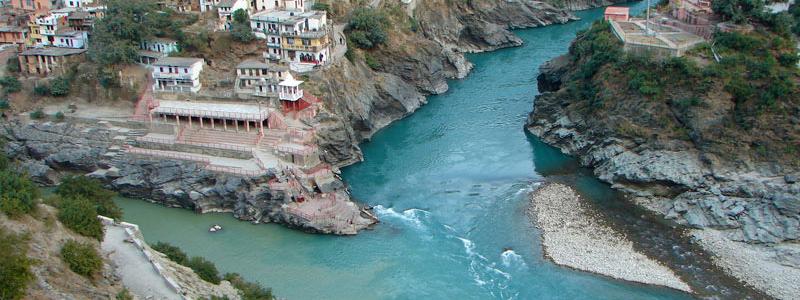
Devprayag - A Place Where Alaknanda Confluence Bhagirathi River

Devpryag
Deoprayag is situated at an altitude of 828 mts above sea level in the Garhwal region of Uttrakhand state on Rishikesh-Badrinath highway. From here onward two rivers are merged into one and known as Ganga.
According to the Sanskrit language, the term Devprayag means for 'Holy Confluence'. Devprayag is located in Tehri Garhwal district, and some area falls under Pauri district.
Devprayag is a very beautiful and holy place and is surrounded by three famous hills, named Giddhanchal Parvat, Narsinghancal Parvat and Dashrathanchal Parvat.
You can visit Devprayag throughout the year, but rainy season between July-September is not suitable. During this period there are chances of road blockage due to landslides and cloud burst resulting muddy water in the rivers.

Friday, August 26, 2016

Manila Devi Mandir

Manila Devi Mandir is located about 86 KMs from Ranikhet in the Kumaon region of Uttarakhand state. Manila is situated at an altitude of 1820 m above the sea level.

Manila Devi temple is very popular in the Kumaon area, and it is centre of attraction for all devotees. Manila Devi is the goddess of Katyuries.

Other famous and nearest tourist places are Nainital, Ranikhet (86kms) and Jim Corbett National Park (81 kms) from here, and can be reached by road easily.


Wednesday, August 24, 2016

Dunagiri Mandir – Dwarahat

Dunagiri Mandir have many mythological and historical significances, and it is also a famous temple of Uttarakhand in Kumaon region. It is about 14 kms away from Dwarahat, and located at a height of 8,000 feet above sea level.
Dunagiri temple is also dedicated to goddess Durga. According to Ramayana, it is believed that when pawan putra Hanuman Ji was carrying the mountain containing Sanjiwani buti for Laxman Ji, a small piece of it fell here and since then this area is famous as Doonagiri.
In another incident of Mahabharata, Pandavas took shelter here at Dunagiri during their exile.

Tuesday, August 23, 2016

Garjiya Devi Temple in Ramnagar

Garjiya Devi Temple is located in the Garjiya village near Ramnagar, Uttarakhand, India. The temple situated over a large rock in the Kosi River. Garjiya Mandir is merely 12 KM away from Ramnagar, and it is assumed one of the ancient and famous Devi temples in India.
It is believed that Girija is another name of Goddess Parvati, and is constructed into a temple structure in the year 1940. Garjia Devi Temple is well connected with by road and railway, the nearest railway and bus station is Ramnagar.

Monday, August 22, 2016

Dwarahat – Famous for Ancient Temples

Dwarahat a small town, which is 37 kilometer away from Ranikhet, is located in Almora district of Uttarakhand on Ramnagar - Badrinath road. Dwarahat is famous for a group of 55 ancient temples which were constructed mainly by the Katyuri dynasty.
It is also known for famous Syalde Bikhauti Mela which is celebrated on Sankranti.
Dwarahat’s climate is quite cool throughout the year and is especially very cold in the winter season.

Saturday, August 20, 2016

Bhumia Baba Mandir - A Holy Place in Masi

Shri Bhumia Baba mandir is located on the banks of holy Ramganga River, Masi on Ramnagar - Badrinath highway road, which is nearly 115km from Ramnagar the nearest railway station.

Bhumiya Devta Temple is one of the most famous temples in the Uttarakhand, and people visit here to meet their wishes.

It is well connected with other famous locations Bhikiyasen 34 kilometres and Ranikhet 54 kilometres away. People donate brass Ghanti to the Bhumia temple, when their wish is completed by the blessing of Bhumia Baba.


Binsar Mahadev - Temple of Lord Shiva

Binsar Mahadev is located in Ranikhet, Uttrakhand and it is an ideal must visit place for lord Shiva devotees. This temple is surrounded by pine and deodar jungle and situated at an altitude of 2,480 meters above sea level.
Binsar Mahadev is best suited for people who are looking for peace, nature lover and adventurers.
This temple is primarily dedicated to lord Shiva, there are also idols of lord Ganesha, Parvati and Durga.

Wednesday, May 18, 2011

Kausani - Another Switzerland of India


In the beautiful chain of hill stations in Uttranchal there is one more gem which is known as Kausani. It is one of most visited tourist destination in Himalayan region of Uttranchal. Kausani is situated about 55 km in North of Almora district. From Kausani you can view a long range of himalaya region.

Friday, April 29, 2011

Ranikhet


Ranikhet is known for it's green forests, majestic mountain peaks, exotic plant life and attractive wild life. If you want to see nature from very close then Ranikhet is the best choice.

Saturday, February 12, 2011

Kedarnath-Seat of Lord Shiva


In Uttrakhand there one more holy place which is known as Kedarnath. It is situated near Indo-Chinese border in the Uttar Kashi district of the Uttarakhand. In winter season Kedarnath is very cold and the surrounding area is covered with snow. To visit Kedarnath the best time is between May and October.

Tuesday, February 1, 2011

Dehradun-Capital of Uttrakhand


The capital of dev bhoomi Uttrakhand is "Dehradun" which is fully blended with hill culture and also known as valley of flowers. Dehradun is basically made up of two words Dera and Dun, where Dera means Camp and Dun stands for Valley. Dehradun is also known as the gateway to Mussoorie and Garhwal region. It also one of best hill station in north India. There are some famous educational institutions also. Dehradun is also a base for trekking and adventure tourism.

Saturday, January 29, 2011

Mussoorie - Queen of Hills


There is one more popular hill station in Uttrakhand called Mussoorie, also called the
Queen of Hills. Mussoorie is a very beautiful hill station, it is about 35 kms from
Dehradun in the Garhwal region of Uttrakhand. Mussoorie is one the beautiful hill stations in India. During summer season it the first choice of people who want relief from the scorching hot in the plains area.

Tuesday, January 11, 2011

Ganges River - Ganga Maiyya


The Ganges River is one of the longest rivers in the world. In india it is called "Ganga Maiyya". The river emerges from high in the Himalayas. It begins in an ice cave in the mountains about 10,300 feet above sea level called Gomukh. The river flows across the northern corner of India. The Ganges flows across India and Bangladesh until it merges out into the Bay of Bengal. The great river provides water to many places, and many places rely on it. The water of the river at Haridwar is called "Ganga Jal", which is always a topic of research for the scientist of all over the world for it's purity and keeping it's quality intact for a long time. The ganga jal is considered as holy water among the Hindus.

Friday, January 7, 2011

Almora - Switzerland of India


In Uttrakhand (Dev Bhoomi) there is one more beautiful hill station which is called Almora. It is a fine blend of mountain

beauty, so Almora is also called the 'Switzerland of India'.

The most popular Nanda Devi festival is celebrated here in Almora. In this festival a large number of devotees come here from all over India every year.

Chitai Golu Devta's temple is also situated here which has a unique collection of brass bells of all sizes, gifted to the temple by devotees since centuries.

Thursday, January 6, 2011

Haridwar - the Gateway to the Gods


Haridwar is also known as holy city which is situated in Uttrakhand state of India. According to Indian mythology it is concerned with both Lord Shiva and Lord Vishnu and known as the Gateway to the Gods. Haridwar is among the seven sacred cities of India. It is the biggest venue for the Kumbh Mela in India which occurs in every twelve years.

In Haridwar there is a great statue of Shiva at the fork of the river the Ganges. Haridwar also stands as a gateway to three other important pilgrimage destinations Rishikesh, Badrinath and Kedarnath. Haridwar has very rich ancient religious and cultural heritage.

Wednesday, January 5, 2011

Badrinath Temple


Badrinath is one of the four dhams pilgrimage in India. It is located in the lap of Nar-Narayan Parvat which is also known as the Badri Vishal, in Uttrakhand, India. It is sacred as the seat of the god Vishnu in his aspect of Badrinarayan.

By far the most important of the four Char Dham sites, Badrinath receives many more visitors than the other three sites.

It is believed that to revive the lost prestige of Hinduism and to unite the country in one bond, Adi Guru Sri Shankaracharya built four pilgrimage centres in four corners of India. Among them were Badrikashram (Badrinath temple) in the north, Rameshwaram in the south, Dwarkapuri in the west and Jagannath Puri in the east.

Tuesday, January 4, 2011

Jim Corbett National Park


Uttrakhand is now a well known tourist desination also along with dev bhoomi. The world famous Jim Corbett National Park

situated in the Ramnagar area of Uttrakhand which is heaven for wildlife lovers all over the world. The approximately area of

the Jim Corbett national park is 1318.54 sq. km. Corbett National Park is one of India's most beautiful wildlife sanctuary

and it has a tiger population of around 160.

Jim Corbett park is well connected with the road and rail transport, the nearest railway and bus station is Ramnagar. There a

number of hotels and tourist lodges also in this area. So this is a very beautiful destination for wild life lovers.

Friday, December 3, 2010

Nanital


Nainital is a charming hill station located in the state of Uttarakhand, India. Known for its picturesque landscapes, serene lakes, and pleasant weather, Nainital is a popular tourist destination that attracts visitors from all over the world. The town is situated at an altitude of 2,084 meters above sea level and is surrounded by the beautiful Himalayan ranges.

History of Nainital

The history of Nainital dates back to the British era when it was established as a summer retreat for the British officials. The town was named after the goddess Naina Devi, who is believed to have a temple dedicated to her in the area. The town's beautiful surroundings and pleasant weather soon made it a popular tourist destination, and it has remained so ever since.

Attractions in Nainital

Nainital is known for its stunning natural beauty and the many attractions that it offers. Some of the popular attractions in the town are:

Naini Lake

Nainital's most famous attraction is the Naini Lake, a serene lake that is surrounded by the beautiful Himalayan ranges. Visitors can enjoy boating and other water activities on the lake or simply relax and enjoy the stunning views.

Naina Devi Temple

The Naina Devi Temple is a popular temple dedicated to the goddess Naina Devi. The temple is located on the northern shore of the Naini Lake and is visited by thousands of devotees every year.

Tiffin Top

Tiffin Top is a popular viewpoint located at a height of 2,292 meters above sea level. Visitors can enjoy stunning views of the surrounding hills and valleys from this viewpoint.

Governor's House

The Governor's House is a beautiful mansion that was built during the British era. The mansion is surrounded by beautiful gardens and is a popular tourist attraction.

Snow View Point

The Snow View Point is a popular viewpoint that offers stunning views of the snow-capped Himalayan ranges. Visitors can enjoy a cable car ride to reach the viewpoint.

Eco Cave Gardens

The Eco Cave Gardens are a popular attraction for children and families. The gardens feature a network of interconnected caves that visitors can explore.

Hanuman Garhi Temple

The Hanuman Garhi Temple is a popular temple dedicated to Lord Hanuman. The temple is located on a hilltop and offers stunning views of the town and the surrounding hills.

Apart from these attractions, visitors can also enjoy shopping for souvenirs and local handicrafts in the town's bustling markets.

Visiting Nainital

Nainital is a popular tourist destination and can be visited throughout the year. The best time to visit the town is during the summer months of March to June and the winter months of October to February. During the monsoon season, the town experiences heavy rainfall, and the weather can be unpredictable.

Visitors can reach Nainital by air, rail, or road. The nearest airport to the town is the Pantnagar Airport, which is located about 68 kilometers away. The nearest railway station is the Kathgodam Railway Station, which is located about 35 kilometers away. Visitors can also reach Nainital by road, with regular buses and taxis available from major cities in Uttarakhand.

Accommodation options in Nainital range from budget-friendly guesthouses and lodges to luxury hotels and resorts. Visitors can choose from a wide range of options depending on their budget and preferences.